
Amparo Peacemaking Project · Austin, Texas
There has to be a way back.
Amparo prevents violence by healing and reorienting the people who carry the capacity for it — from the community, across prison and reentry, and back again. We hold the whole arc — with no handoff at the gate.
Why this work exists
We punish violence after it happens. We've built almost nothing to reach the people who carry it before the next act.
That gap is where violence keeps coming from. Most people who hurt others were hurt first. Pain, trauma, and shame move through families and neighborhoods until someone steps in to interrupt them. Punishment alone rarely interrupts the cycle; often it deepens it.
The person who caused harm is the one most of the help in the world is built to turn away. And yet that is exactly the person whose healing protects the next victim — the one who never has to become one. Helping them is not softness toward violence. It is how you stop the next act of it.
Read the full case →Stopping the next act of violence is justice for the next victim — the one who never has to become one. Prevention is victim service.
What we do
We work the whole river.
Most help arrives downstream — after people have already gone under. We do that work, and we also go upstream, to the people standing too close to the edge. Stop violence that far up and you spare two people at once.
Before arrest
Community prevention, where it does the most good.
Inside
Structured programming during incarceration.
Reentry
The hard first months home — built to include returns many programs aren’t equipped for.
In community
Healing, skills, and real-time interruption — where it has to hold.
What we believe
A few things we hold onto.
Violence is learned
And what is learned can be unlearned. The capacity for harm is reoriented, not erased.
More than the worst thing
Everyone is more than the worst thing they have ever done — including the people who do this work.
Accountability isn't punishment
We ask people to become someone who won't do it again. That's harder than serving time quietly — and we ask for more of it, not less.
The prime directive
Hold open the possibility of change. Not the certainty of it — the possibility.
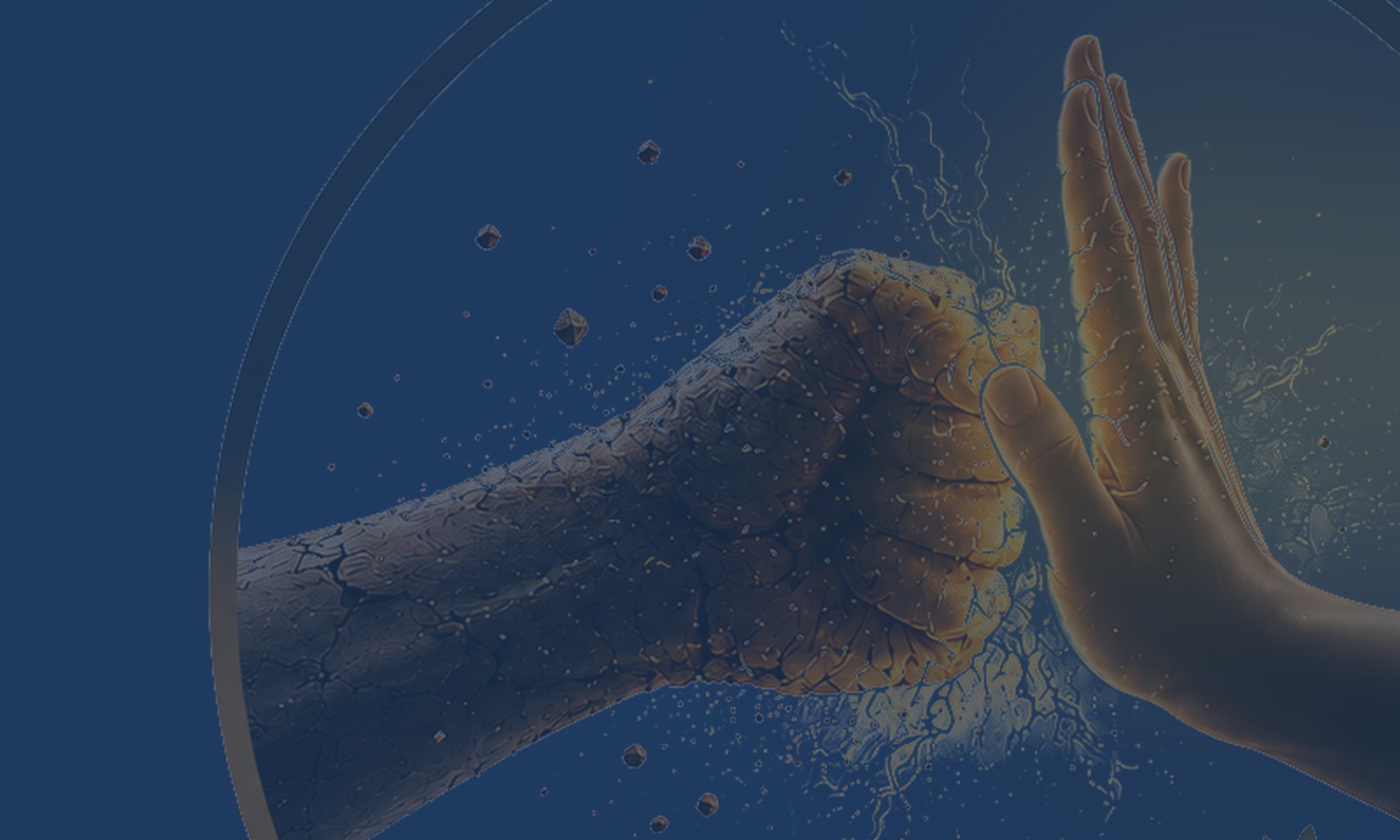
We don’t erase the capacity for violence. We turn it back toward the protection of life.
The Protector’s Ethic
Founding Director
Robert “Atma” Meek
Decades across reentry, homelessness, behavioral health, and recovery — paired with lived experience returning from incarceration.
Who leads the work
Led by someone who has lived it.
The credible-messenger model only works when it's led by someone who has lived what the people we serve are living — paired with the discipline to build an institution that lasts. Most people bring one or the other. Atma brings both.
The record behind the work →Who carries the work
The whole team has been there.
Atma isn’t the exception — he’s the template, and that’s by design. Every member of our team is required to have lived experience. Every client-facing role will be held by someone who has been system-impacted in some way — prison, the street, addiction, the long road back — and for whom violence has been part of life in some life-altering way. We treat that proximity as our central qualification, not something to manage around — because the people closest to the problem are often the closest to a solution.
Credible messengers
Transformative mentoring by someone who has stood where you’re standing and made it back. Lived experience is the doorway; the work the relationship carries is what changes a life.
Peer support
Mutual, dignified help between people who share an experience — including peer professionals in recovery and mental health. A recognized, skilled role, scaffolded by training, supervision, and fair pay.
Lived and living experience
What a person has come through, and what they’re still in — on parole, in early recovery, navigating the same systems right now. We hold both as real expertise.
Nothing about the people we serve, without the people we serve.
Honest about where we are
You won't be joining a finished institution. You'll be helping shape one.
The vision and the values are set; the organization around them — governance, funding, first programs, partnerships — is being built right now, at the moment when your wisdom, your networks, and your belief make the most difference.
One thing worth saying plainly, because people often get it backwards: the organization is new. The work isn't. Atma has been in this field continuously since 2003, and the methods it rests on have been tested far longer.
Ways to be part of it →